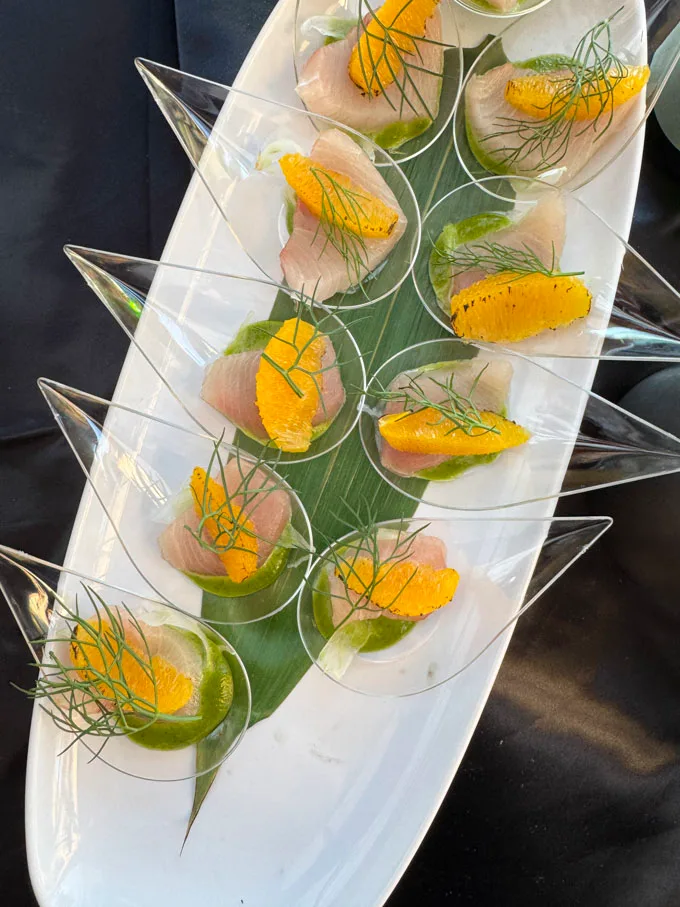
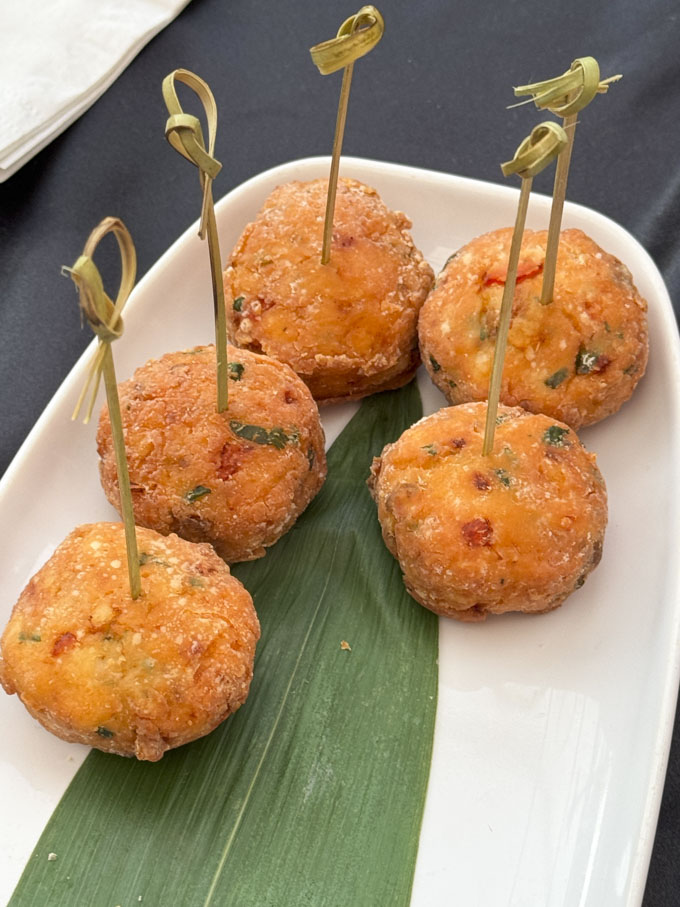
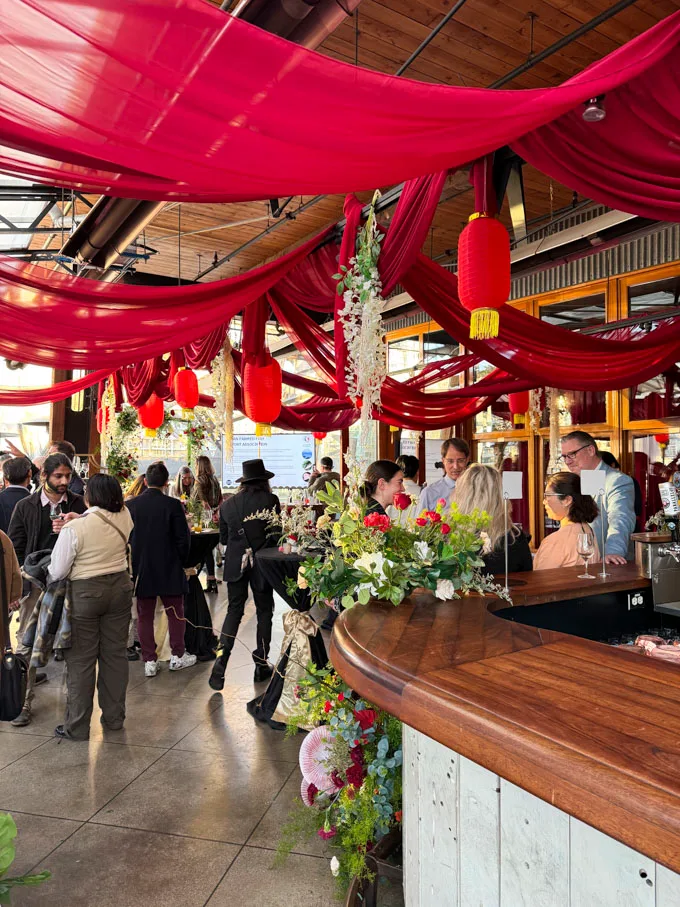
The Japan Farmed Fish Export Association (JFFEA) recently hosted an exclusive afternoon event in Vancouver of tasting, educating and celebrating Buri (yellowtail) and Madai (red sea bream) – two of Japan’s most prized farmed fish, now making a splash in Canada’s culinary scene. This event not only showcased the exceptional taste of these fish but also highlighted the advanced techniques used to cultivate them.


Japan’s Craftsmanship in Aquafarming
Japan is known for its deep respect for food quality and sustainability, and its aquafarming industry reflects that commitment. With a focus on taste, texture, and responsible farming, Japanese fish farmers have developed advanced techniques that produce some of the highest-quality seafood in the world.
Japanese fish farmers take great care in raising fish that are not only fresh but also have the best flavour and texture. The choice of feed plays a key role in ensuring the fish develop a pleasant umami taste. Harvesting methods are also carefully considered to maintain the ideal quality when eaten raw.

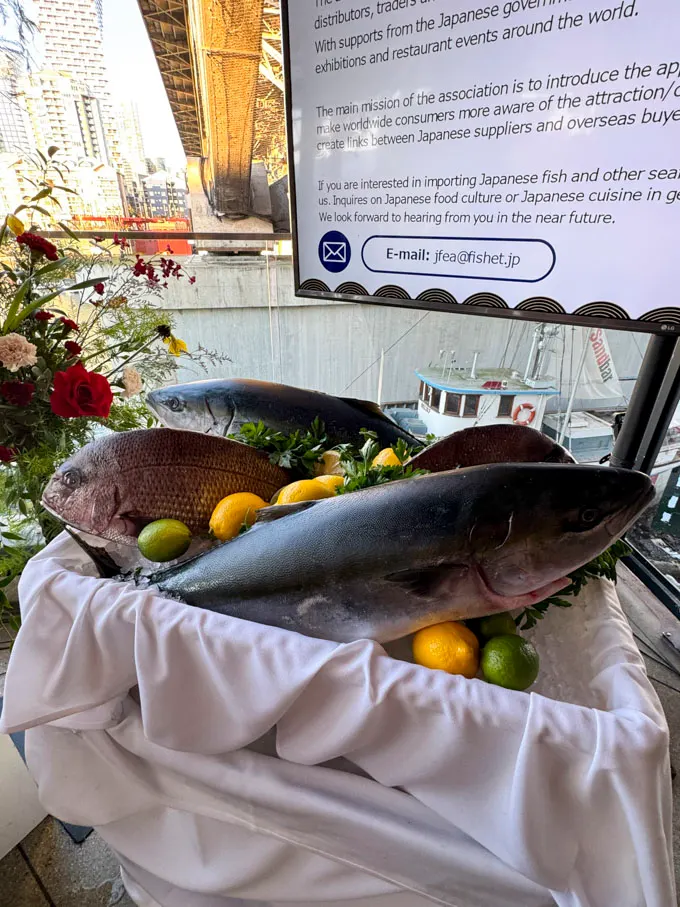
One technique commonly used is shinkei-jime, a humane method that quickly kills the fish while keeping it in peak condition. This reduces stress on the fish, preserving the freshness and delicate flavour that Japanese cuisine values.
Farmed fish are becoming more popular worldwide, with aquaculture now surpassing wild fisheries in global production, according to the Food and Agriculture Organization of the United Nations (FAO). Japan’s aquafarming industry provides a stable supply of seafood throughout the year while maintaining an environmentally friendly approach.
The industry follows sustainable practices, such as controlling fish population density and using EP feed, which dissolves slowly in water to prevent pollution. Many farms are also incorporating AI-equipped automatic feeders to optimize feeding and reduce waste.
Japan is also aligning its aquafarming efforts with global conservation goals. The United Nations Sustainable Development Goal 14 focuses on protecting ocean biodiversity, and Japanese fish farms are working to prevent marine pollution by switching to environmentally friendly feed and improving farming techniques.
About Sea Bream (Tai / Madai)
Sea bream is one of Japan’s most iconic fish, especially madai (red sea bream). It has a mild, slightly sweet taste and a translucent, firm texture, making it a popular choice for sashimi. When cooked, it becomes fluffy and flavourful.

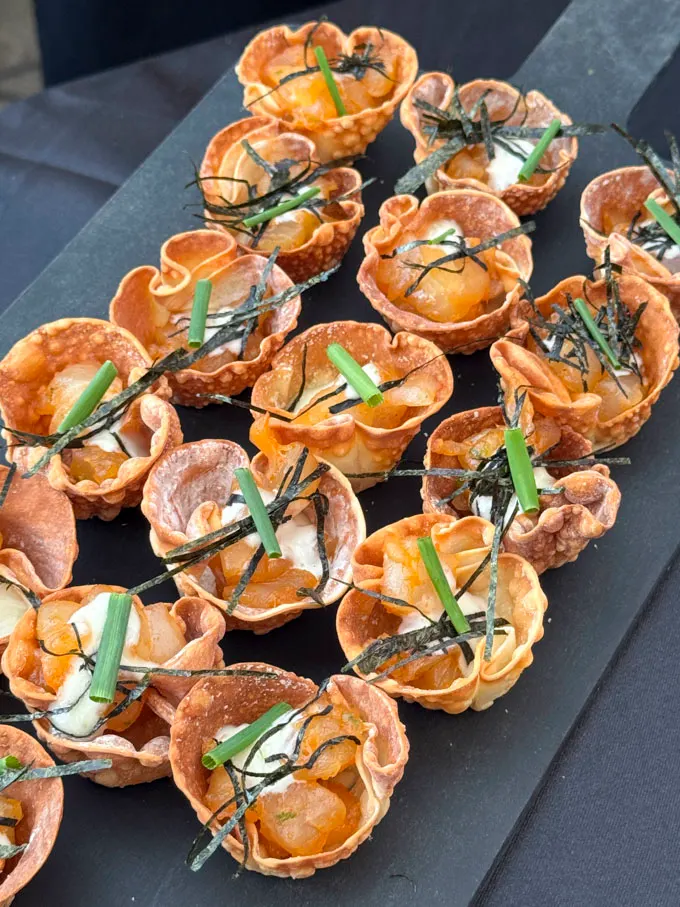
In sushi, “tai” almost always refers to madai. This fish is highly prized in Japan and often served at celebrations, including New Year’s feasts, weddings, and 100-day-old baby ceremonies. Its bright red colour symbolizes good luck and prosperity, and the word “medetai” (meaning “auspicious”) includes “tai,” reinforcing its cultural significance.
Nutritionally, sea bream is a high-protein, low-fat fish rich in inosinic acid (which enhances umami), taurine (which helps lower cholesterol), and glycine (which contributes to its mild sweetness). It also contains niacin, a vitamin known for supporting overall well-being.

About Yellowtail (Buri / Hamachi)
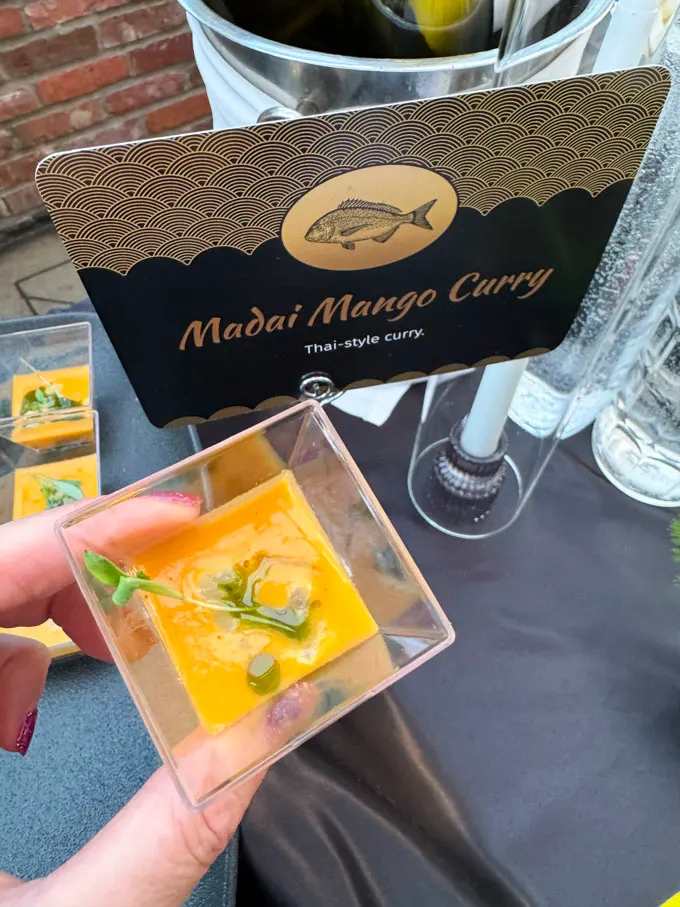
Yellowtail is another essential fish in Japanese cuisine. It is known for its rich fat content, giving it a smooth, melt-in-the-mouth texture that makes it ideal for sashimi and sushi. It is also enjoyed grilled, teriyaki-style, or as a steak.
Yellowtail undergoes a unique naming system as it grows, reflecting its popularity throughout Japan:
- Hamachi / Inada (35-60 cm)
- Warasa / Mejiro (60-80 cm)
- Buri (80 cm or larger)
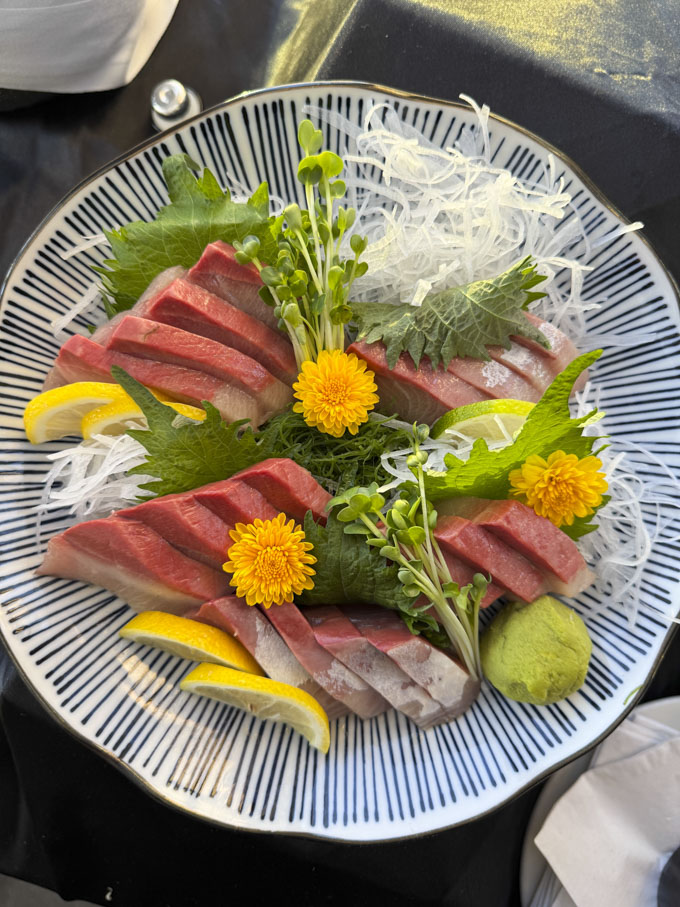

This progression, known as shusse-uo, means “a fish that gets ahead” and symbolizes success and growth. It is often given as a gift or served during New Year’s celebrations.
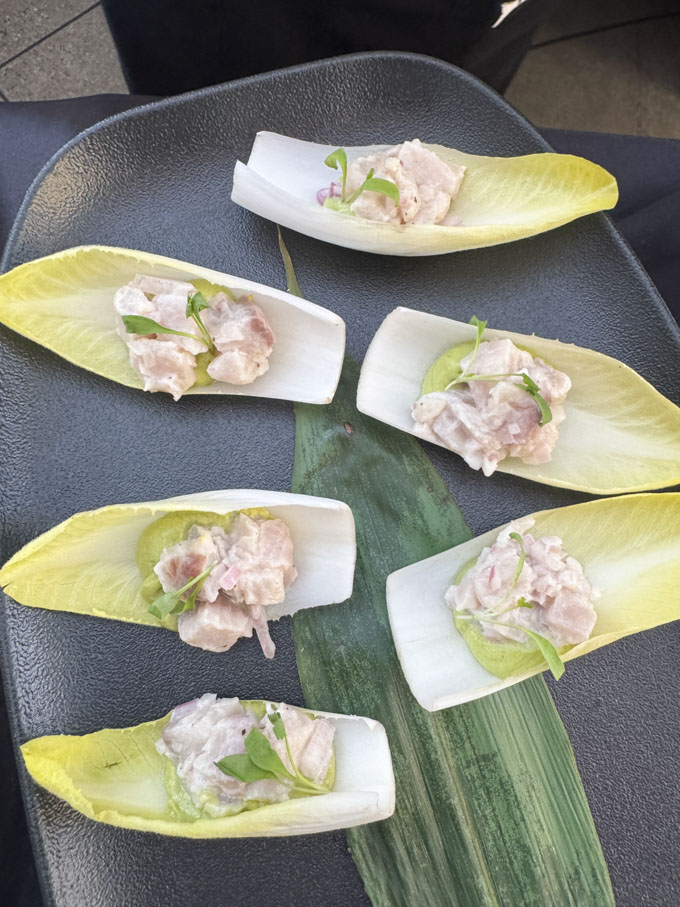
From a nutritional perspective, yellowtail is rich in DHA (docosahexaenoic acid) and EPA (eicosapentaenoic acid), both known for improving brain function and reducing the risk of heart disease. It is also a great source of iron and taurine, which help prevent anemia and support liver health.
Expanding Japanese Farmed Fish to the World
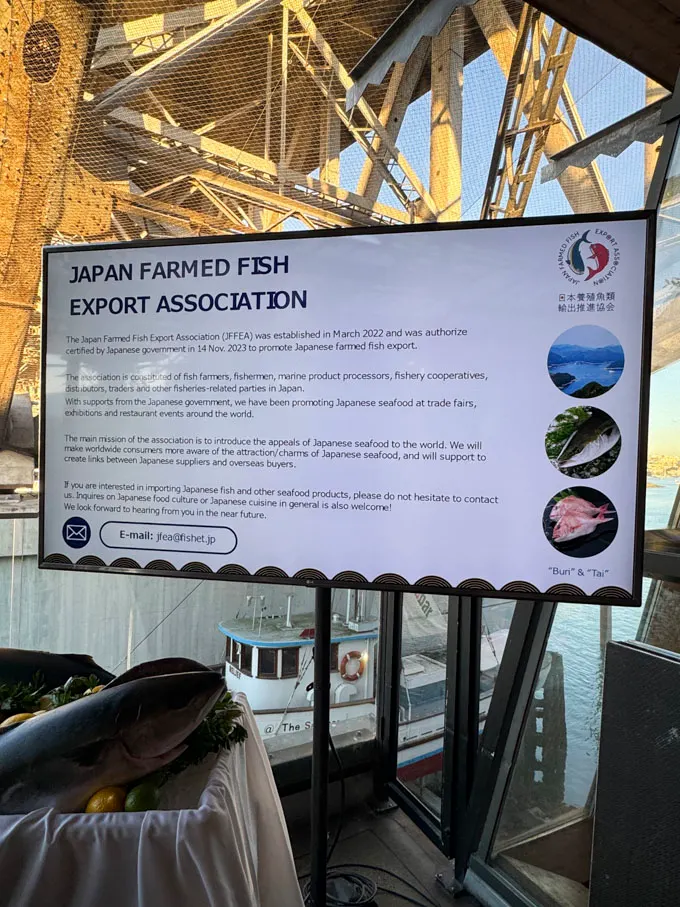
The Japan Farmed Fish Export Association (JFFEA) was established in March 2022 and officially recognized by the Japanese government in November 2023. This association is dedicated to promoting Japanese farmed fish exports and strengthening trade relationships with international buyers.
JFFEA is made up of fish farmers, fishermen, marine product processors, and distributors. With government support, they participate in global trade fairs, exhibitions, and restaurant events to showcase Japan’s high-quality seafood.
Their mission is to connect international markets with Japanese seafood, increasing awareness and appreciation of fish like buri (yellowtail) and tai (sea bream). For those interested in importing Japanese fish and seafood, JFFEA serves as a key point of contact.
The Future of Japanese Aquafarming
Japan’s aquafarming industry blends tradition with innovation, ensuring a consistent supply of high-quality seafood while prioritizing environmental responsibility. With advanced techniques like shinkei-jime, AI-powered feeding systems, and a commitment to sustainable practices, Japanese fish farmers continue to set the standard for responsible aquaculture.
Sea bream and yellowtail are just two examples of how Japan’s expertise in aquafarming delivers fish that are not only delicious but also deeply rooted in cultural traditions. Whether enjoyed raw as sashimi or cooked in various dishes, these fish represent the craftsmanship and dedication that define Japan’s approach to seafood.